One Piece Live-Action Logos: All 8 Netflix Season 1 Designs

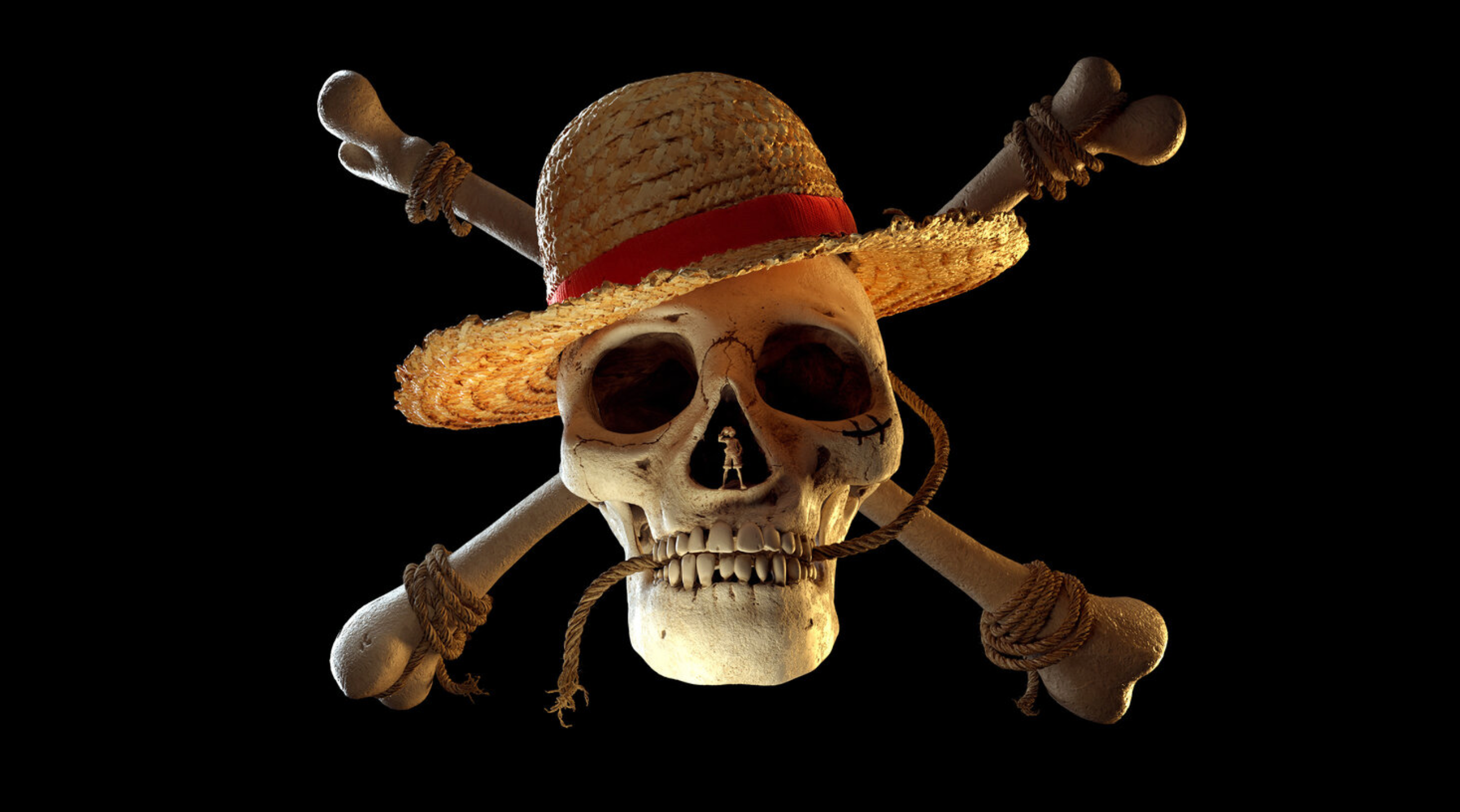
Netflix’s One Piece live-action series hides a fun visual detail in plain sight: the One Piece title-card logo changes in every Season 1 episode.
Rather than using one fixed logo throughout the season, each episode gets a variation that reflects a major character, place, or threat in that chapter. The changes are easy to miss on a first watch, but together they form a small visual tour of the Straw Hats’ East Blue adventure.
This guide collects all eight One Piece live-action episode logos from Netflix Season 1, in episode order. The notes below are visual observations, not official explanations from Netflix, but they show why each title card fits its episode so well.
Season covered: Netflix’s One Piece Season 1
Number of title-card designs: 8
What changes: The main One Piece logo is adapted around the
episode’s key character, setting, or conflict.
All One Piece Live-Action Episode Logos in Season 1
Episode 1: Romance Dawn — Luffy Logo
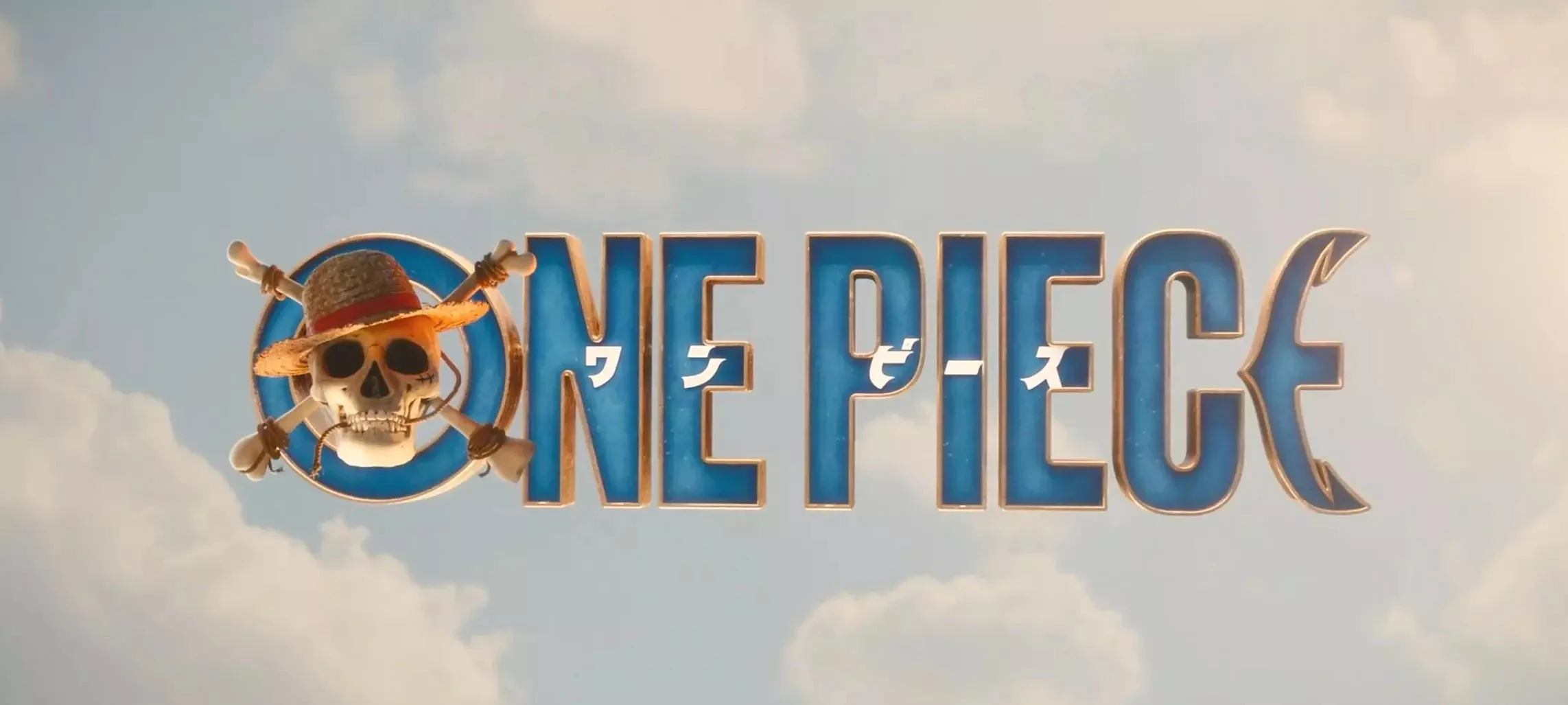
The first logo puts Monkey D. Luffy at the center, which is exactly where he belongs in Romance Dawn. This episode establishes his dream of becoming King of the Pirates and begins his journey across the East Blue.
The design works as a simple introduction: before the crew, the villains, and the larger world enter the story, this is Luffy’s adventure.
Episode 2: The Man in the Straw Hat — Buggy Logo
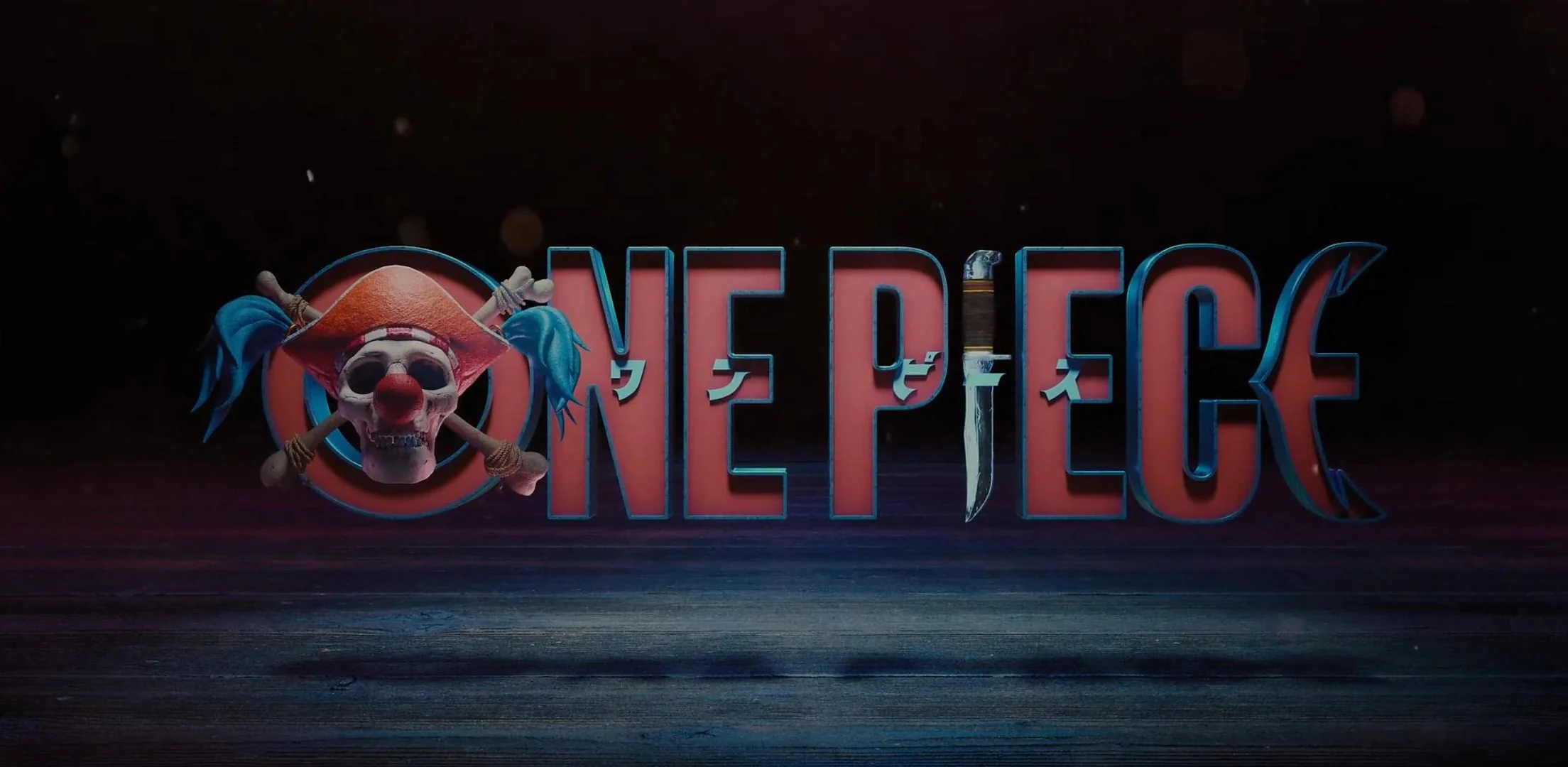
Episode 2 brings Buggy into the live-action world, so the title card leans into his circus-like identity. It immediately signals that this chapter will be louder, stranger, and more theatrical than the opening episode.
Buggy’s logo variation is a good example of how the show uses the title card to preview an episode’s personality rather than merely display its name.
Episode 3: Tell No Tales — Usopp Logo

Tell No Tales introduces Usopp and takes the story to Syrup Village. The logo’s Usopp focus fits an episode built around a character known for exaggerated stories, sharp instincts, and a much bigger heart than he first lets on.
It is also a fitting visual bridge into the crew-building part of the season: Luffy’s adventure is slowly becoming a shared journey.
Related: One Piece Netflix Live Action vs. Original Anime: Luffy vs. Alvida
Episode 4: The Pirates Are Coming — Zoro Logo

The Zoro design adds a sharper, more dangerous feel to the title card. By this point, the show is moving beyond introductions and into the risks that come with gathering a pirate crew.
The variation is especially fitting for Zoro because his identity is so visually direct: discipline, blades, and the determination to become the world’s greatest swordsman.
Episode 5: Eat at Baratie! — Baratie Logo

Episode 5 shifts the setting to the Baratie, the floating sea restaurant that becomes one of the most memorable locations in the East Blue story. Instead of spotlighting one character, this logo lets the setting take the lead.
That choice makes sense because the Baratie is more than a backdrop. It is where the crew meets Sanji, where Zoro faces Mihawk, and where several major character ambitions are pushed into the open.
Episode 6: The Chef and the Chore Boy — Sanji Logo

Sanji gets his own variation in Episode 6, where the story explores his place at the Baratie and the dream that drives him toward the sea. The design gives this chapter a more personal feel after the location-focused Baratie logo.
It also marks an important stage in the Straw Hats’ formation. Sanji is not just the crew’s cook; he brings another clear ambition and a different perspective to Luffy’s growing group.
Episode 7: The Girl with the Sawfish Tattoo — Nami Logo

Nami’s logo arrives when the season turns toward her past and the pressure she has been carrying alone. The design is a quiet signal that this part of the story belongs to her, even as the conflict grows larger around the crew.
It is one of the strongest examples of the title-card idea working as visual storytelling: the logo points toward the emotional center of the episode before the plot spells everything out.
Episode 8: Worst in the East — Arlong Pirates Logo

The final Season 1 logo shifts attention to Arlong and his crew, the force behind the season’s most personal conflict. It gives the finale a more threatening visual identity and reflects how far the Straw Hats have come since Luffy first set out alone.
Ending on an enemy-focused design is a smart contrast with Episode 1’s Luffy-centered card. The season starts with one pirate chasing freedom and ends with a crew ready to stand together against a much larger threat.
Why the Changing Logos Work So Well
These designs are a small production detail, but they fit One Piece perfectly. The series is built around memorable characters, bold locations, and instantly recognizable symbols. Updating the title card gives each episode its own identity without interrupting the story.
The logos also reward repeat viewing. Once you know the East Blue storyline, it is easier to notice how each title card points toward the chapter’s most important character, setting, or conflict.
One Piece Netflix Logo FAQ
Does the One Piece live-action logo change in every episode?
Yes. In Netflix’s eight-episode Season 1, each episode uses a different One Piece title-card design.
What do the One Piece episode logos represent?
The designs appear to spotlight a key character, location, or threat from each episode. They work as visual title-card variations rather than a separate storyline or code to solve.
Which One Piece live-action episode has the Baratie logo?
The Baratie-inspired title card appears in Episode 5, “Eat at Baratie!”
Which episode has the Nami logo?
Nami’s title-card variation appears in Episode 7, “The Girl with the Sawfish Tattoo.”
Final Thoughts
The changing One Piece logos are easy to overlook, but they show how much care went into Netflix’s live-action adaptation. Each design gives its episode a distinct personality while following the Straw Hats’ journey from Luffy’s opening adventure to the showdown with Arlong.